Home › Services › Valves
Shut-Off Valve Repair & Replacement
Elizabeth, CO
Your first line of defense against water damage - we repair and replace main and fixture shut-off valves across Elizabeth and the Denver metro.
The Valve That Saves Your Home.
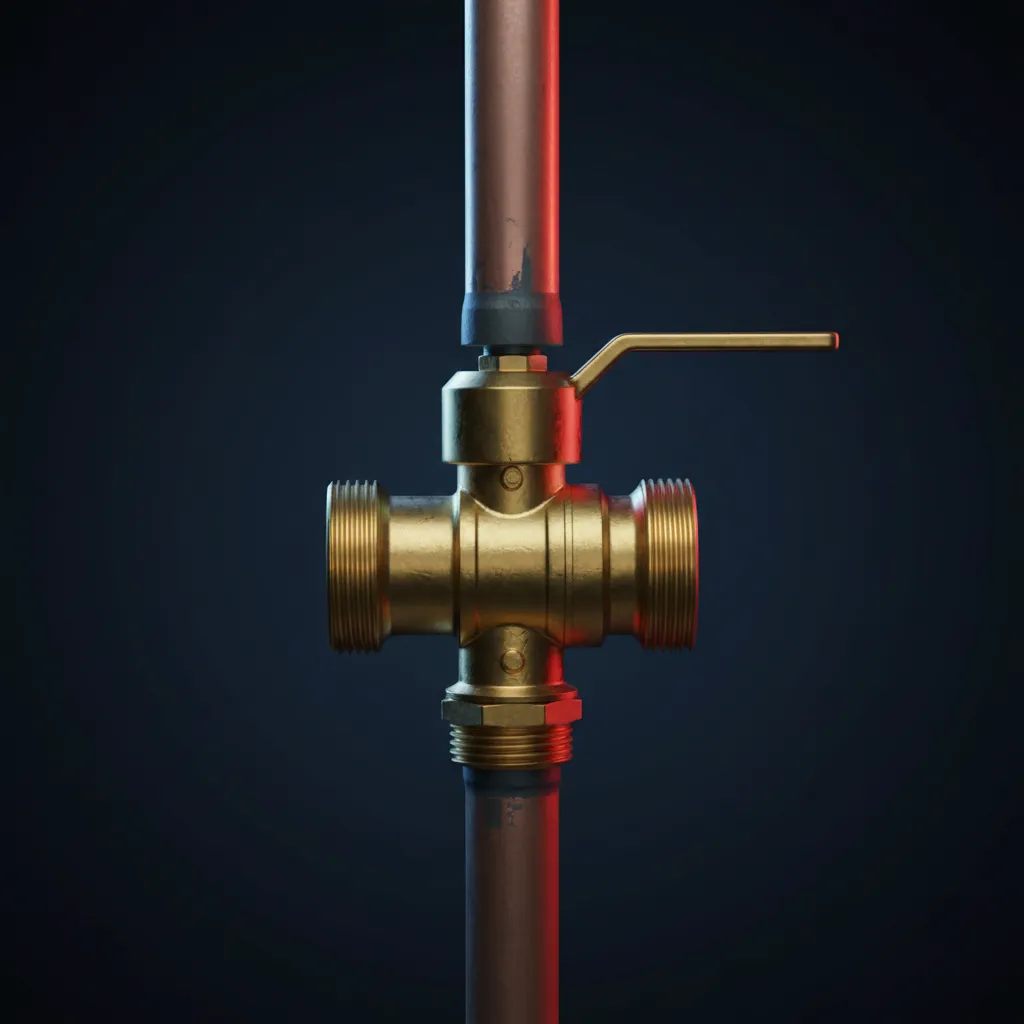
When a pipe bursts or a fixture fails, a working shut-off valve is what turns a disaster into a quick fix. But valves seize, corrode, and start leaking - usually sitting forgotten until the moment you need them most. We make sure yours actually work when it counts.
Signs Your Valves Need Attention
Seized or Stiff
A shut-off valve that is seized, extremely stiff, or simply won't fully close when you need to stop the water.
Dripping or Pooling
Water dripping or pooling consistently around the valve stem or handle, signaling a failing seal or compromised body.
Partial Shut-Off
A valve that turns but only partially stops the flow of water, leaving fixtures dripping or pipes actively running.
Old Saddle Valves
Outdated, puncture-style saddle valves that are notorious for sudden leaks and unexpected catastrophic failure.
Corrosion & Buildup
Visible corrosion, green rust, or heavy mineral buildup developing on the exterior of the valve body or connections.
Unknown Location
Not knowing where your main shut-off valve is located, or not being sure if it will actually hold water back in a crisis.
The worst time to discover a broken shut-off valve is in the middle of a flooding emergency — test yours before you need it.
Our Valve Services
Main Shut-Off Valve Replacement
Replacing failed or corroded main valves so you can stop the water fast in an emergency.
Fixture & Supply Valve Repair
Fixing leaking or seized valves at sinks, toilets, water heaters, and appliances.
Saddle & Outdated Valve Upgrades
Replacing leak-prone saddle valves with reliable modern shut-offs.
Whole-Home Valve Check
Locating and testing your shut-offs so you know they'll work when it matters.
WINTER PREPAREDNESS
Be Ready Before a Pipe Bursts
Colorado winters bring real freeze-and-burst risk. If a pipe lets go, every second counts — and a corroded or seized main shut-off can turn a small leak into a flooded home before you can stop it.
We make sure your main and fixture valves are working, accessible, and reliable, so you can cut the water in seconds instead of scrambling. Knowing where your shut-off is and that it actually works is one of the simplest ways to protect your home.
Our Simple Process
01
Get in Touch
Call or request an estimate.
02
Diagnosis
We diagnose the real problem.
03
Honest Quote
Straight recommendation and honest quote.
04
Expert Repair
Expert repair or install, done right the first time.
Colorado's trusted team
Why Choose Local 1
Master Plumber Certified

NATE Certified
25+ Years Experience
Licensed & Insured
Family Owned & Operated
Honest, Upfront Pricing
Military & Senior Discounts
Colorado Locals
TRUSTED LOCALLY
ENGINEERED FOR EXCELLENCE
MASTER PLUMBER
CERTIFIED
NATE
CERTIFIED
STATE CONTRACTOR
LICENSE
LICENSED &
INSURED
25+ YEARS
EXPERIENCE
FAMILY OWNED
& OPERATED
TRUSTED LOCALLY
ENGINEERED FOR EXCELLENCE
MASTER PLUMBER
CERTIFIED
NATE
CERTIFIED
STATE CONTRACTOR
LICENSE
LICENSED &
INSURED
25+ YEARS
EXPERIENCE
FAMILY OWNED
& OPERATED
WE'RE HERE TO HELP
Frequent Valve Questions
Got questions about your home's shut-off valves? You're not alone. We've compiled the most common questions we hear from homeowners in Elizabeth and the Denver metro area. If you don't see your answer here, just give us a call—we're always happy to help you understand your plumbing.
Where is my main water shut-off valve?
It's typically located where the main water line enters your home—often in the basement, crawlspace, utility room, or garage. If you're having trouble finding it, we can help locate and tag it during a service visit so you're ready in an emergency.
Why won't my shut-off valve turn?
Valves that sit unused for years often become seized due to mineral buildup or corrosion. Never force a stuck valve, as this can break the handle or snap the stem, causing a major leak. It's best to have a professional plumber inspect and replace it if necessary.
Should I replace an old or leaking valve?
Yes. A leaking valve is a clear sign that the internal seals have failed. If a valve is heavily corroded or dripping, it's unlikely to fully shut off the water when you need it most. Replacing it now prevents a small drip from becoming a major flood later.
What is a saddle valve and why replace it?
Saddle valves are older, clamp-on style valves often used for refrigerators or humidifiers. They are notorious for leaking and failing over time, which is why they no longer meet plumbing codes in many areas. We strongly recommend upgrading them to reliable, modern shut-off valves.
How often should I test my shut-off valves?
We recommend testing your main and fixture shut-off valves once a year. Simply turn them off and back on to ensure they move freely and completely stop the water flow. Regular testing keeps them from seizing up when you actually need them.
Protect Your Home, Starting at the Valve.
Master Plumber precision and honest pricing on every job.
Your full-service plumbing and HVAC team in Elizabeth and across the Denver metro area. Honest pricing and Master Plumber precision. NATE Certified. Licensed and Insured.
Quick Links
CONTACT
CONNECT

© 2026 Local 1 Plumbing, Heating & AC.
Master Plumber Certified.
All rights reserved.